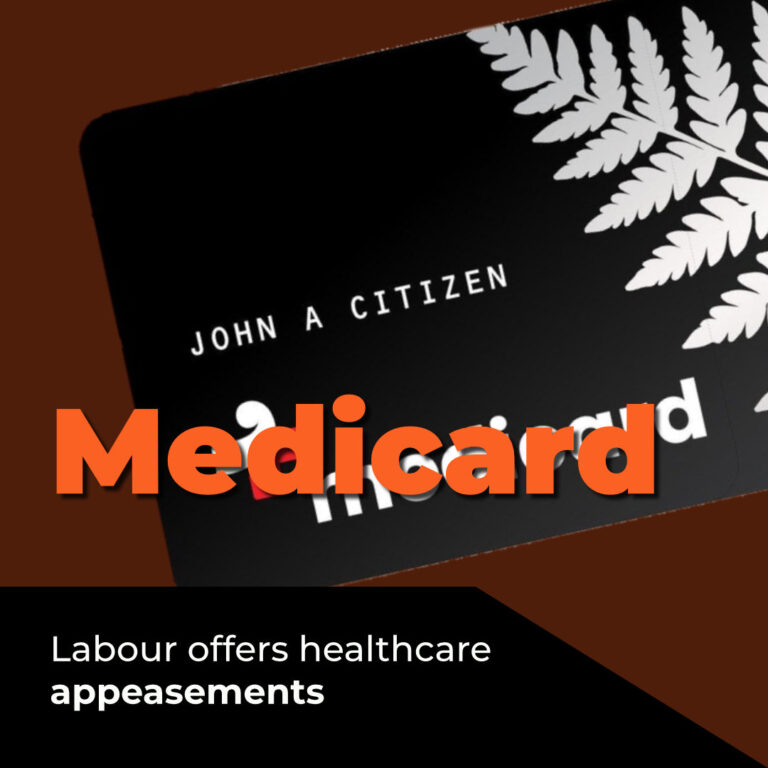

A flurry of Labour policies aimed at making it easier to get GP appointments are staking a position in the upcoming battle for health-conscious voters.
“Access to whānau doctors is going to be one of the big planks of the 2026 election,” says Dr Buzz Burrell, chair of General Practitioners Aotearoa (GPA).
The latest major party announcement was Labour’s promise of low-interest loans for doctors and nurses looking to buy or start a GP practice.
“We’re supportive of this,” Burrell says. “It gives our younger GPs a chance to buy in, and the retiring GPS more choice in who they sell to.”
Burrell says work is needed to make GP a viable career and truly increase the number of appointments for patients.
“This policy highlights a truth about New Zealand’s primary healthcare system: GP clinics are businesses that need to break even to stay open,” he says.
“It’s hard times out there, and while this cheap capital lowers the barrier to entry, we are still fighting for GP survival.”
Both major parties have made announcements this year with the intention of increasing access to GP appointments.
National has put its weight behind a third medical school at the University of Waikato, which it says will pump out more trainee GPs, and a nationwide telehealth system so people can have an appointment with a doctor or nurse on the phone.
The National-led government has also recently re-jigged the “capitation” funding system to send more money to clinics that deal with higher-needs patients.
Labour too has pledged changes to the capitation system, announcing a $490 million annual funding increase and an independent pricing authority to make GP funding recommendations.
Labour has also pledged funding to upgrade technology and facilities at GP clinics.
“This interest in investing in general practice is warmly welcomed, and God knows we need a bit of spotlight,” Burrell says.
GPs are retiring, moving overseas and switching professions at record rates, and there are not enough new GPs training or moving to New Zealand to replace them.
“Until we face reality and pay working GPs what they’re worth, they’re going to keep leaving,” Burrell says. “Otherwise it is inevitable we will see not enough GPs, not enough appointments, higher fees and longer wait times for the patient.”